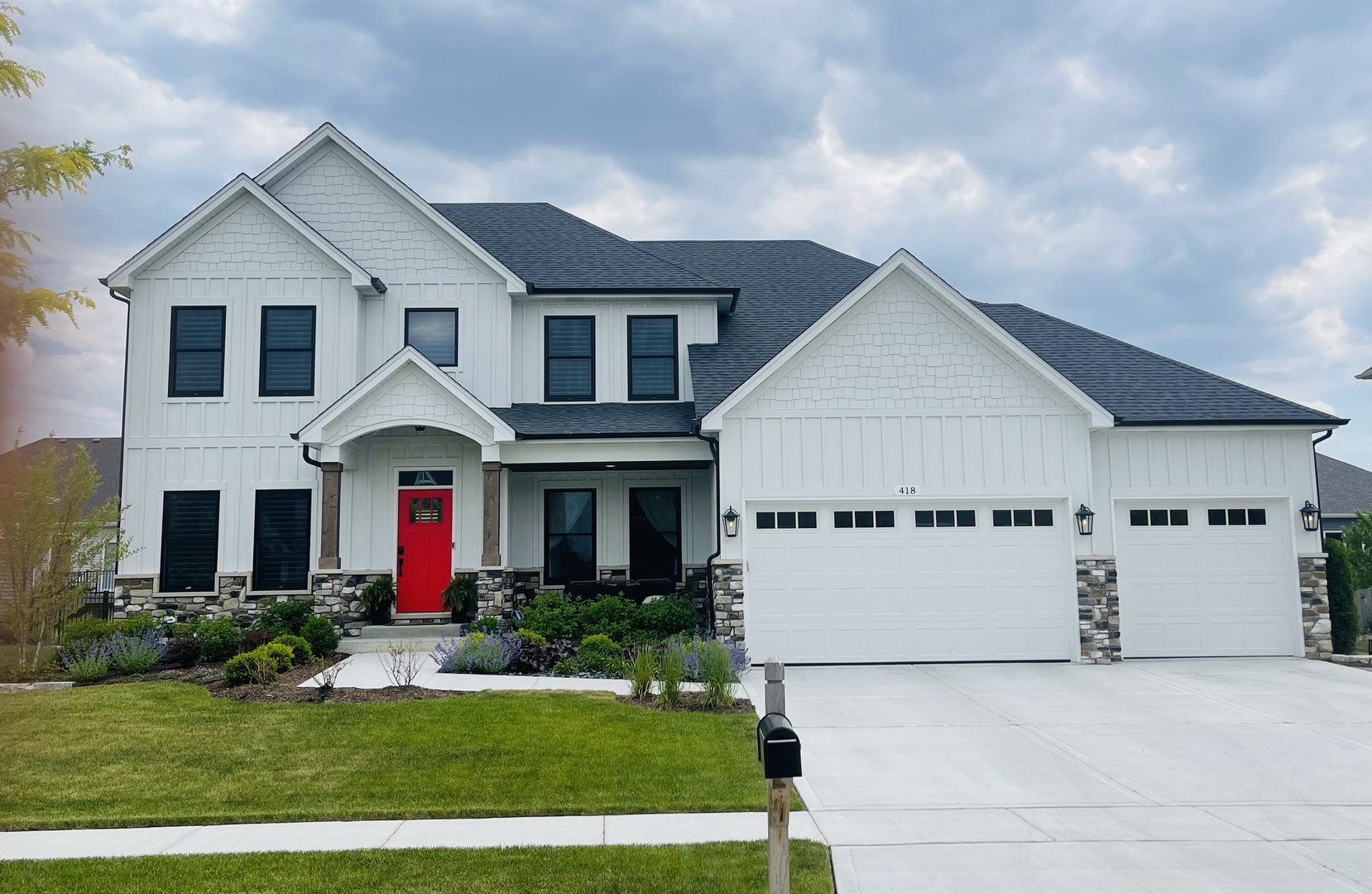
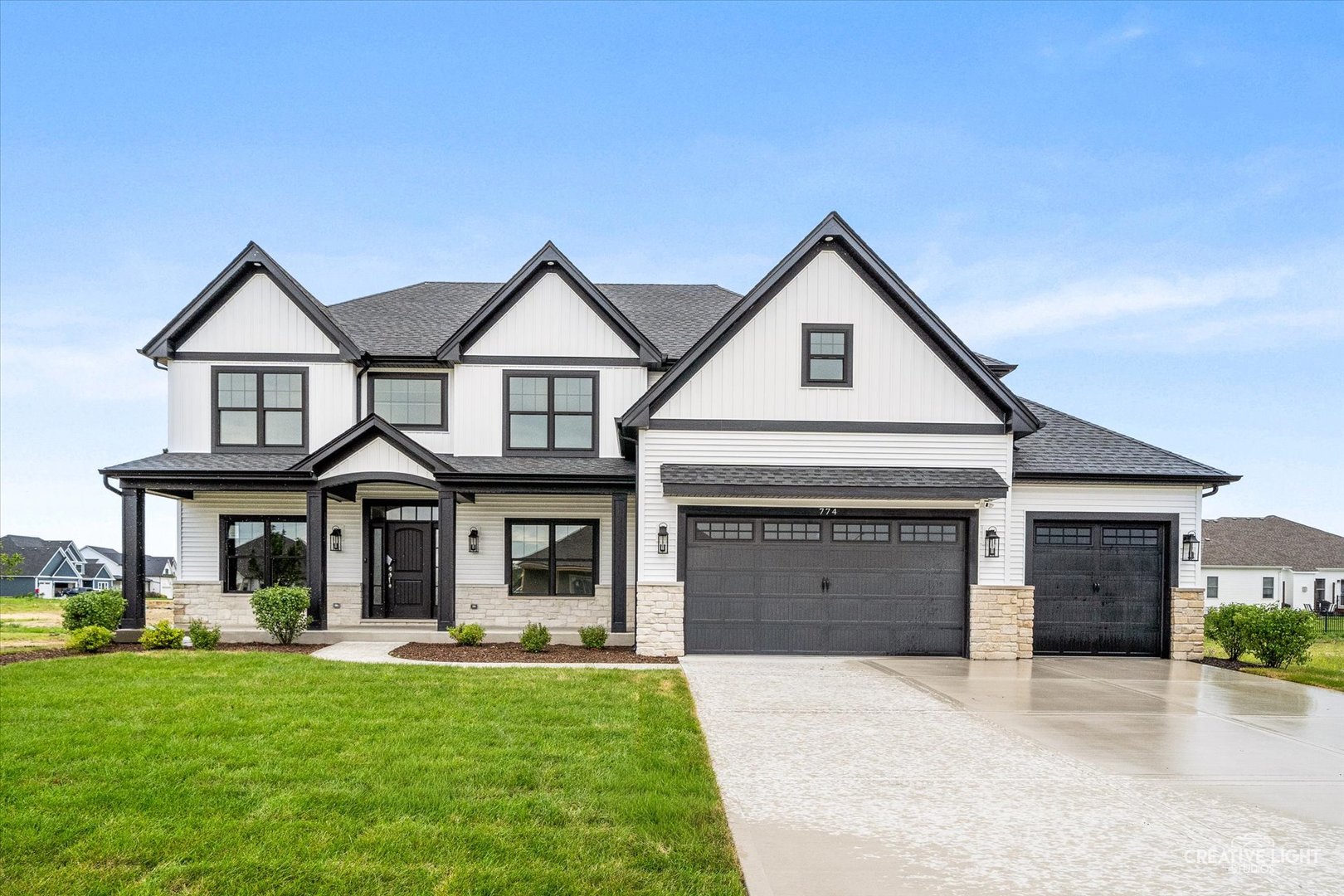
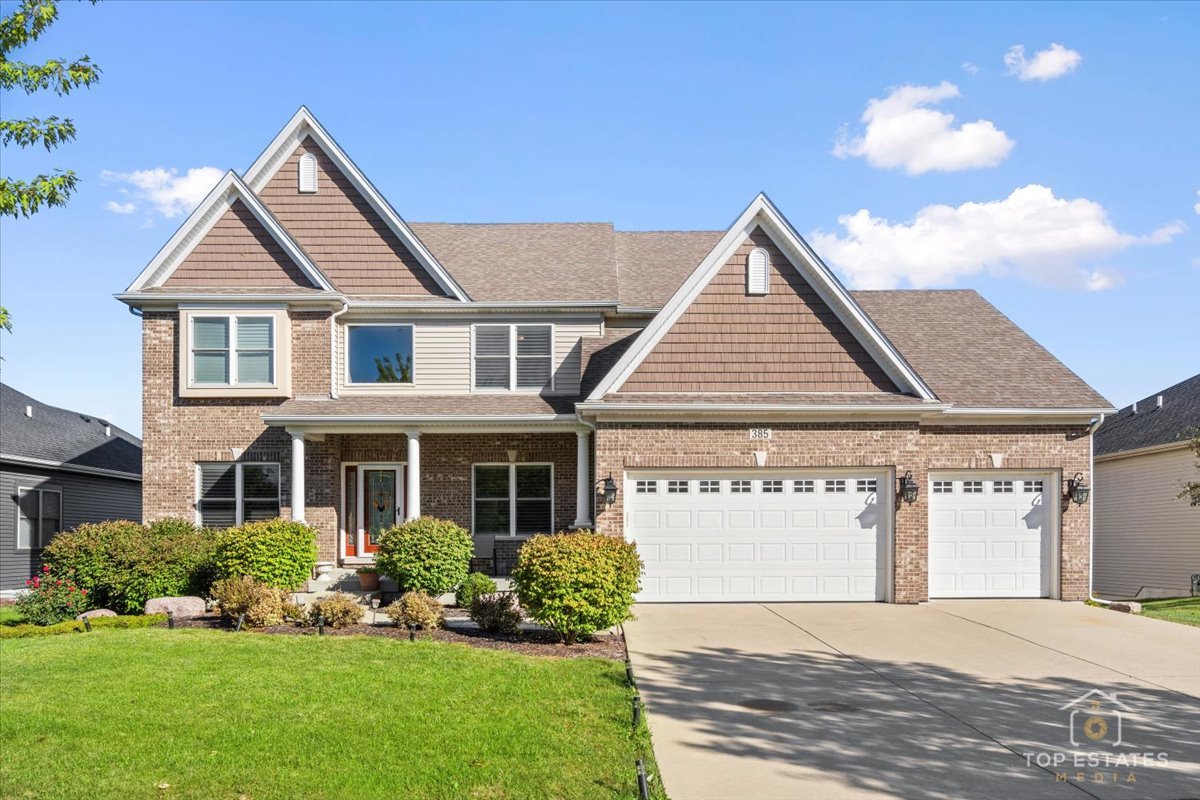
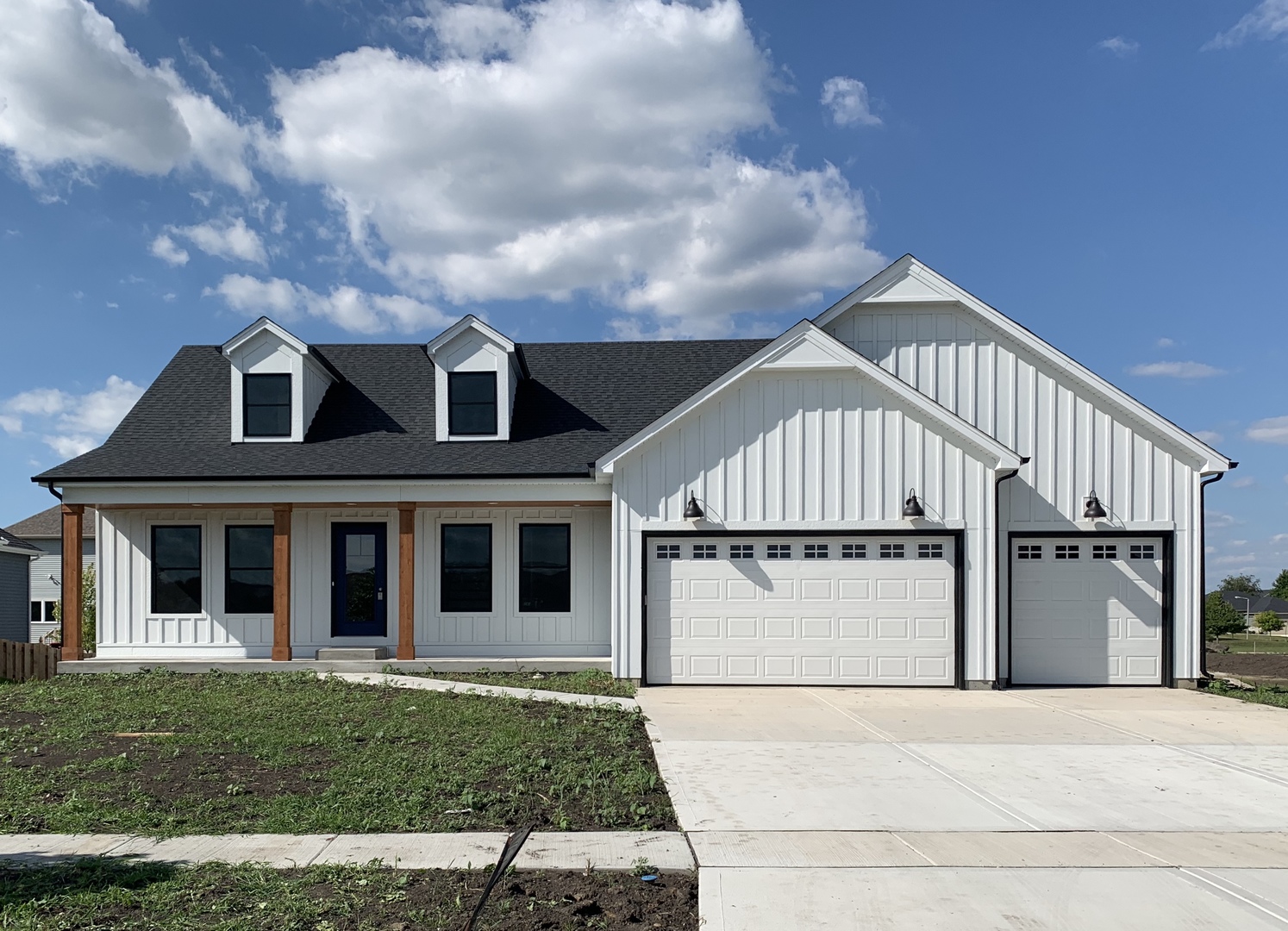
35,463 people live in Oswego, where the median age is 39.7 and the average individual income is $46,279. Data provided by the U.S. Census Bureau.
Total Population
Median Age
Population Density Population Density This is the number of people per square mile in a neighborhood.
Average individual Income
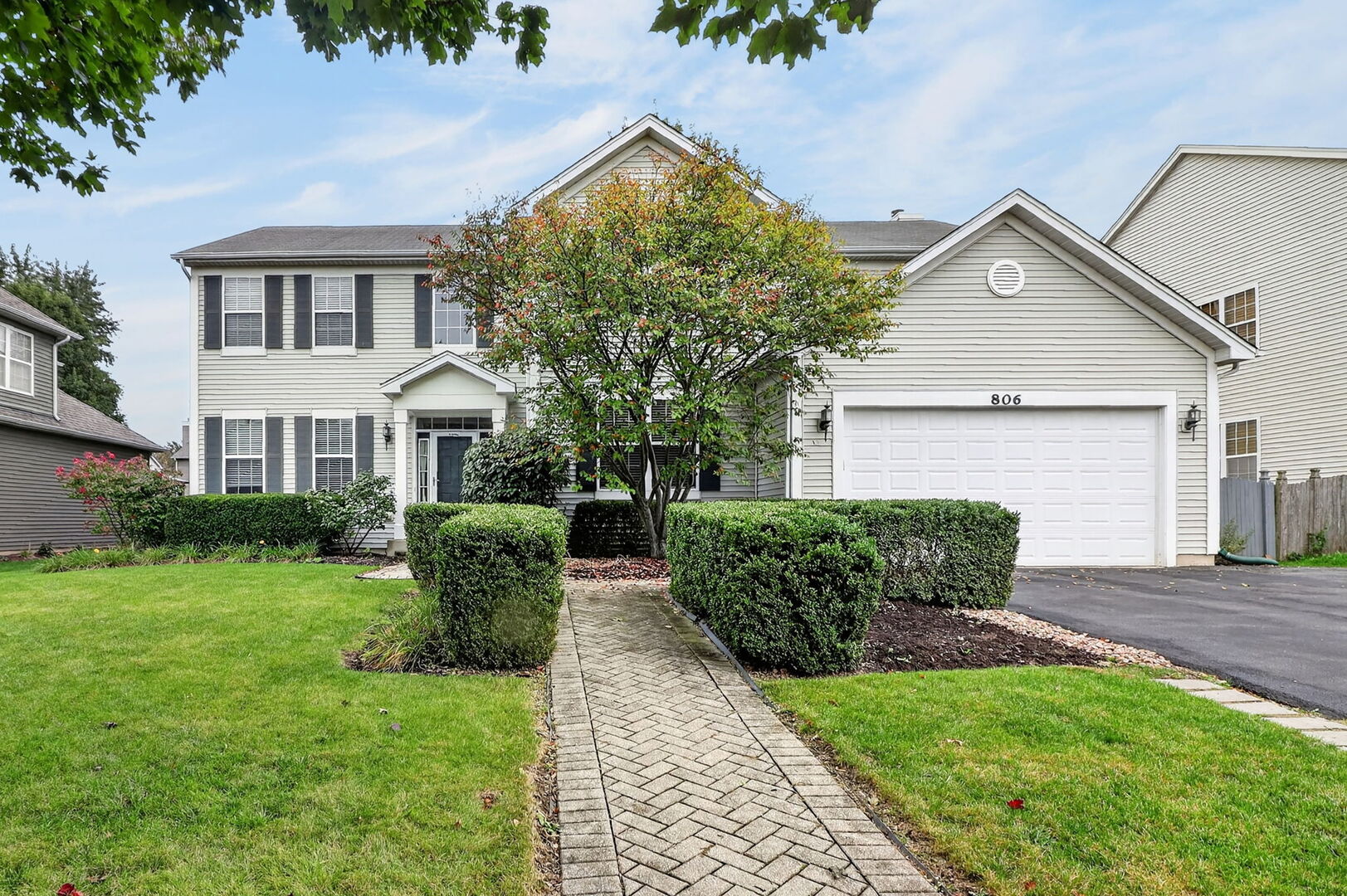
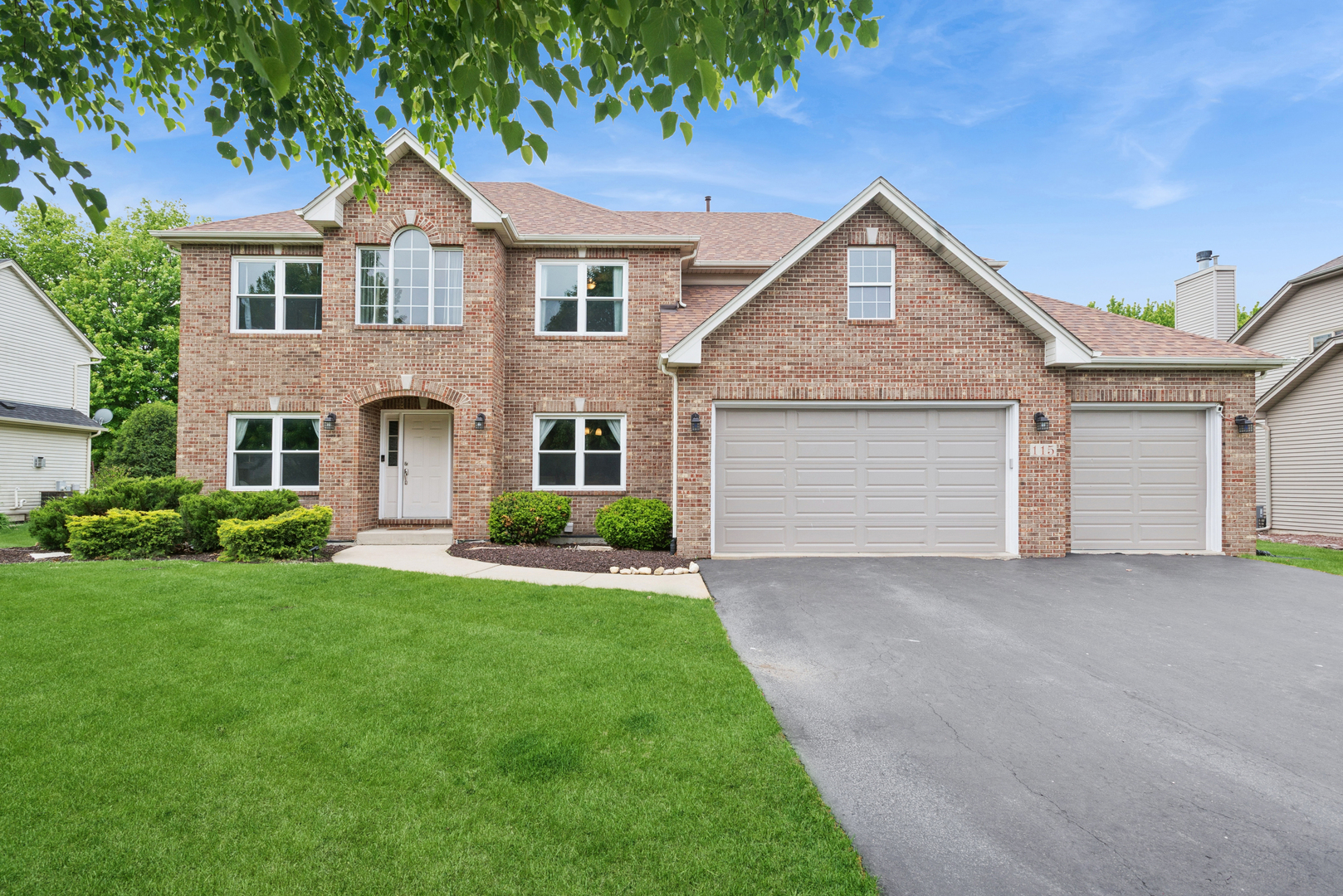
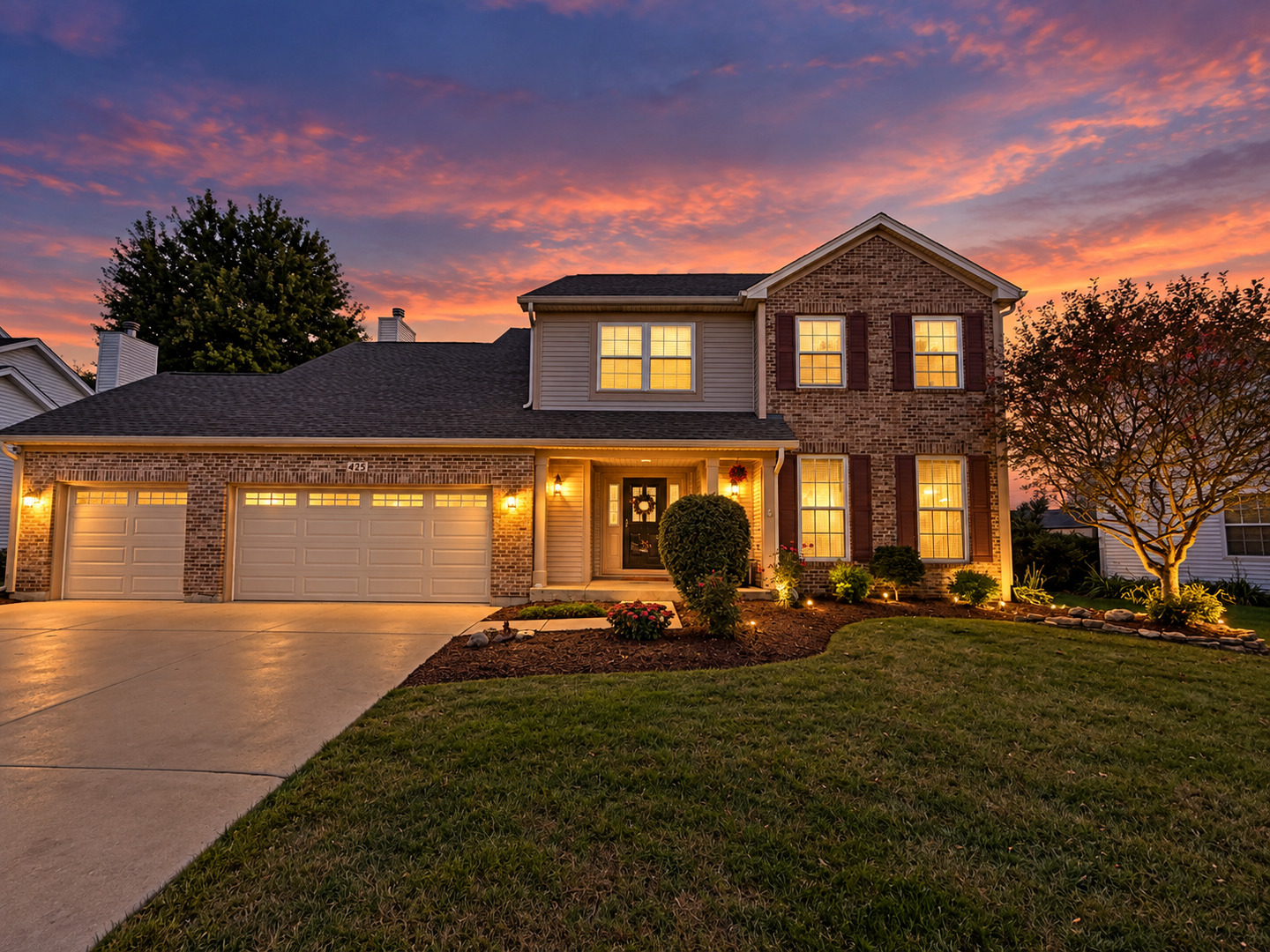
When it comes to finding an idyllic, family-friendly place to live, nothing quite compares to Oswego. This town has earned a well-deserved reputation for having a welcoming and serene environment. It’s part of both Kendall and Will Counties and has a modest population of 34,933. Oswego is located just over 47 miles southwest of Downtown Chicago and borders the Fox River.In addition to being a warm and inviting place to live, the area is home to a number of top conveniences. You’ll find excellent schools, locally-owned stores, great attractions and entertainment, and several beautiful parks. With one stroll through town, it’s almost impossible not to fall in love with Oswego.Another perk of relocating to the area is the exceptional value of residential properties. Currently, the median list price for homes here sits at a mere $339,900. You can easily find spacious homes with 3+ bedrooms and 2+ bathrooms at a price unrivaled by neighboring communities.
Oswego, Illinois, located in Kendall County, has a rich history that dates back to its founding in 1833. Originally known as Hudson, the village was renamed Oswego in 1837, a name derived from the Iroquois word "os-we-go," meaning "flowing out," a reference to the area's location near the Fox River. The Fox River played a critical role in the early development of the village, serving as a transportation route and providing water power for mills.
Oswego began as a small farming community, but its strategic location along the river and later along major railroad lines facilitated growth and development. The village quickly became a hub for commerce and trade, particularly during the mid-19th century when the Chicago, Burlington & Quincy Railroad reached the area. This connection to larger markets helped Oswego to grow rapidly.
One significant event in Oswego's history was the construction of the Oswego Drag Strip in the 1950s, which became one of the first purpose-built drag racing strips in the country. This brought national attention to the village and remains a point of local pride.
Over the years, Oswego has maintained its small-town charm while evolving into a suburban community with a population that has grown rapidly since the late 20th century. Today, Oswego is known for its well-preserved historic downtown area, which reflects its 19th-century roots, as well as its commitment to preserving local history and culture.
Oswego occupies a strategic position in northeastern Illinois that balances suburban tranquility with metropolitan accessibility. The village's geography, shaped by the Fox River and surrounding prairies, creates a distinctive setting that has attracted residents since the 1830s.
Geographic Position
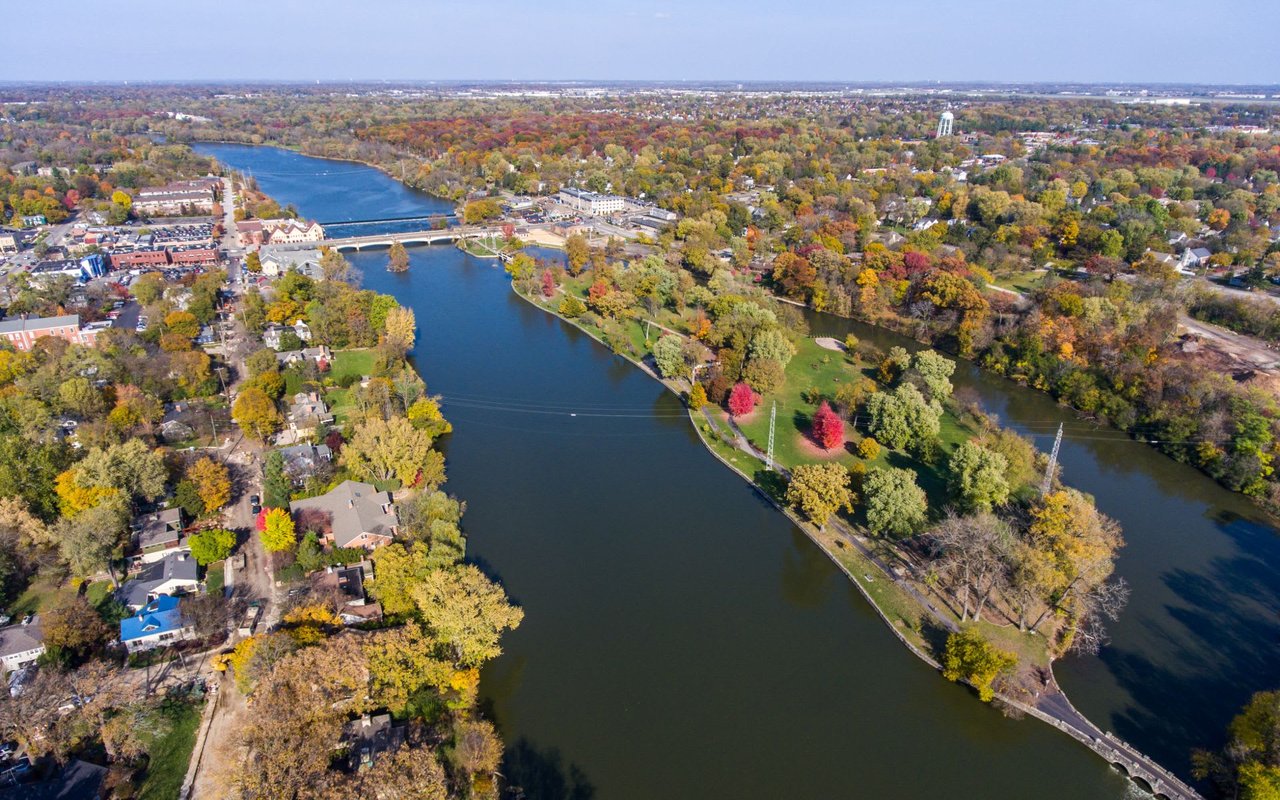
Situated approximately 45-50 miles west of Chicago, Oswego lies primarily in Kendall County with a small portion extending into Will County. The village serves as the largest municipality in Kendall County, covering approximately 15 square miles of land area. Downtown Chicago is accessible in about an hour via I-88, while Aurora sits just 6 miles to the northeast and Naperville approximately 15 miles east. The Fox River flows through the heart of Oswego, with Waubonsie Creek joining at the village's core—creating the natural ford that originally drew settlers to this location.
Boundaries & Neighboring Communities
Oswego is bordered to the north by Boulder Hill and Montgomery, to the east by Aurora, and to the west by Yorkville (the Kendall County seat). The village has grown substantially from its original 1852 boundaries—Harrison Street to the northwest, Jefferson Street to the northeast, Monroe Street to the southeast, and Benton Street to the southwest—to its current expansive footprint. Continuous annexation of contiguous properties since the mid-1980s has shaped Oswego's current configuration as the community manages rapid growth.
Terrain & Natural Features
The landscape around Oswego reflects typical northeastern Illinois prairie terrain—gently rolling with scattered wetlands and waterways. The Fox River creates the village's most prominent natural feature, historically providing transportation, water power, and recreation. The limestone shelf that creates a natural ford across the river originally drew settlers and enabled Oswego's early economic growth. Today, the Oswegoland Park District maintains over 1,100 acres of open land, 63 parks, and 16 miles of walking trails that preserve and showcase the area's natural character.
Climate
Oswego experiences a hot-summer humid continental climate (Köppen Dfa classification) typical of the Midwest region. The village enjoys four distinct seasons with warm, humid summers averaging in the high 70s°F and cold, snowy winters averaging in the mid-20s°F. Annual precipitation averages approximately 35 inches, with the wettest months occurring in late spring and early summer. Snowfall is common from November through March, and the area occasionally experiences severe weather including thunderstorms and, rarely, tornadoes when the polar front moves through the region. Spring brings humid conditions and occasional storms, while autumn offers pleasant cooling temperatures and spectacular fall foliage along the river corridors.
The welcoming and friendly environment found in Oswego cannot be overstated. Residents here make incredible neighbors and are always looking out for the local community. There is an unmatched sense of pride among those living in this town.While it’s a bit too far to be considered an excellent place for commuters, it’s nearly effortless to access Downtown Chicago from Oswego. Individuals who want to enjoy the occasional day trip to Chicago, but want to live in a cozy suburban community will definitely want to consider relocating here.
As a new resident, you’ll quickly find that the dining establishments and stores located throughout Oswego have just as much character and personality as the residents who live here.Roughly two blocks from the Fox River, you can stroll down Main Street and browse some of the area’s best locally-owned shops. Check out the selection at unique places such as The Marmalade Tree, Dusty Road Merchants, Happenstance Goods, Oswego Cyclery, A Lady and Her Tools, Urbane Hemp Company, The Prom Shoppe, My Sister’s Lil Donut Shoppe, Emerson Creek, and Stonehouse Market.When you’re ready to grab a bite to eat or drink, Oswego does not disappoint. Local favorite establishments include Oswego Brewing Co.,113 Main, Tap House Grill, Freddie’s Off The Chain Mexican Restaurant, Oswego Family Restaurant, Danelli’s Italian Restaurant, Benny’s Place, Sakamoto Japanese Grill and Steakhouse, Shu’s Sushi Bar & Grill, and Asadoras Argentinas Burgers.
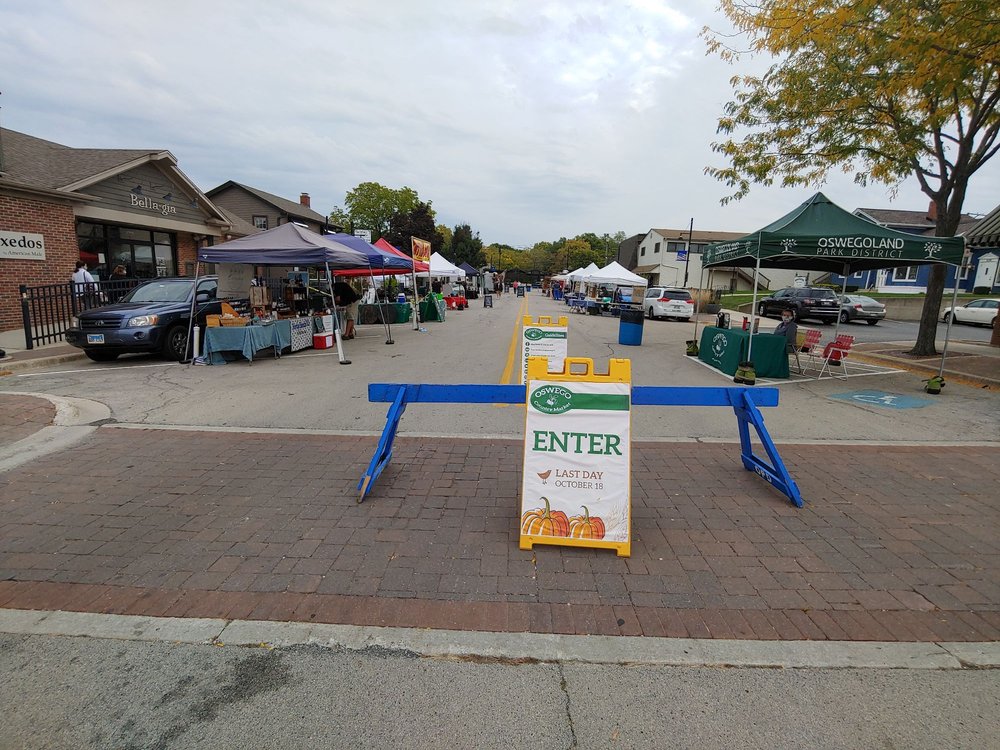
Whether you’re in search of a fun seasonal festival or a year-round attraction, there are so many fun ways to enjoy your time off in Oswego.In September, don’t miss the four-day celebration known as PrairieFest. At this event, you can order delicious food from your favorite vendors, take in one-of-a-kind performances, and browse the Expo Village. At Fox Fall Fest, held every October, you can take a ride on the Giant Slide, interact with various animals at the on-site petting zoo, enjoy cuisine from local food trucks, and purchase artisan creations. Add Wine on The Fox festival.Throughout the year, there are plenty of places locals love to go to in their free time. Top community highlights include Hudson Crossing Park, the Orchard Corridor Entertainment Venue, Prairie Point Community Park, Fox Bend Golf Course, Wormley Heritage Park, Oswego Village Square Park, and Altitude Trampoline Park Oswego.
Oswego boasts a variety of attractions that reflect its history, natural beauty, and vibrant community life. Here are some of the most popular landmarks and attractions:
Oswego's cultural scene is a blend of history, art, and community-focused events that celebrate the village's rich heritage and contemporary creativity.
Oswego’s cultural scene, while reflective of its small-town roots, is vibrant and diverse, offering residents and visitors alike numerous opportunities to engage with the arts and local history.
Oswego, IL, is well-connected, making commuting to nearby cities and navigating the local area convenient for residents. The village is strategically located near several major highways and roads, providing easy access to larger metropolitan areas, including Chicago.
Oswego, IL, has made significant strides in developing a pedestrian- and bike-friendly environment, catering to those who prefer to explore the village on foot or by bicycle.
Overall, Oswego is a community that values and promotes active transportation. Whether walking through the historic downtown or biking along scenic trails, residents and visitors alike can enjoy the village’s commitment to providing a safe and enjoyable environment for pedestrians and cyclists.
Purchasing a home in Oswego requires thoughtful consideration of several factors unique to this growing Fox River community. Understanding these elements will help you make an informed decision and find a property that aligns with your lifestyle and long-term goals.
Flood Zone Awareness
Properties near the Fox River and Waubonsie Creek may fall within FEMA-designated flood zones. The Village of Oswego maintains updated Flood Insurance Rate Maps (FIRMs) issued in 2014, and many properties previously shown in the Special Flood Hazard Area have been revised out of the floodplain through Letters of Map Change. Before purchasing, verify your property's flood designation through FEMA's Map Service Center and factor potential flood insurance requirements into your budget. Properties outside the 100-year floodplain typically don't require mandatory flood insurance, though coverage remains available and advisable for added protection.
HOA Considerations
Many of Oswego's newer subdivisions—including Hunt Club, Prescott Mill, Grande Park, Ogden Falls, and Victoria Meadows—are governed by homeowners associations. Monthly HOA fees typically range from $5 to $150 depending on the community and amenities provided. Before purchasing, carefully review the CC&Rs (Covenants, Conditions & Restrictions) for rules regarding exterior modifications, parking, holiday decorations, and landscaping requirements. Some communities like Hunt Club offer amenities including clubhouses, fitness centers, and swimming pools that justify higher fees.
School Boundary Verification
Oswego is served by Community Unit School District 308, which operates two high schools—Oswego High School and Oswego East High School—along with multiple elementary and junior high schools. School boundaries can vary significantly within the village, so verify which schools serve your specific address before purchasing. Oswego East High School consistently ranks among the top high schools in Illinois, while both high schools maintain graduation rates above 94%. Consider how school assignments affect your family's needs and potential resale value.
Property Age & Construction
Oswego offers diverse housing stock spanning multiple decades. Over 54% of homes were built since 2000, giving the village a notably newer feel compared to surrounding communities. Historic downtown properties from the 19th century offer character and charm, while subdivisions from the 1970s through 1990s make up approximately 38% of housing. Newer construction typically features modern amenities, energy-efficient systems, and updated building codes, while older homes may require updates but offer larger lots and established landscaping.
Market Speed & Competition
Oswego's real estate market moves quickly. Homes typically sell within 15-22 days—roughly half the national average. Well-priced properties often receive multiple offers, and many homes sell at or above asking price. Buyers should be prepared to act decisively with pre-approval letters, earnest money, and flexible closing timelines to compete effectively. Working with an agent experienced in the Oswego market can provide crucial advantages in competitive situations.
Additional Buying Considerations
Selling your Oswego home successfully requires strategic planning around timing, pricing, and presentation. Understanding local buyer preferences and market dynamics will help you maximize your return and minimize time on market.
Optimal Selling Season
Like most Chicago-area markets, Oswego follows distinct seasonal patterns. Late spring through summer—particularly April through July—offers the optimal window for achieving top dollar. Families with school-aged children prefer to close during summer months to avoid mid-year school transitions. The market typically begins warming up in early spring as weather improves, with activity slowing after Labor Day and reaching its lowest point between Thanksgiving and New Year's. If timing is flexible, listing in late April or May positions your home to capture peak buyer demand.
Pricing Strategy
Oswego's median home price currently hovers around $390,000-$410,000, with prices appreciating 4-5% annually. Strategic pricing is critical in this competitive market. Overpricing can cause listings to stagnate, while accurate pricing generates strong early interest and competitive offers. Work with an agent familiar with recent comparable sales in your specific subdivision, as pricing can vary significantly between communities like Hunt Club, Grande Park, or Downtown Oswego. Properties priced correctly from the start typically sell within 15-22 days.
Buyer Demographics
Oswego attracts primarily young families and professionals seeking suburban living with Chicago access. Many buyers work in Aurora, Naperville, or commute to Chicago via the nearby Aurora Metra station. Understanding your likely buyer helps guide staging and marketing decisions. Family buyers prioritize school district quality, yard space, and proximity to parks. Commuters value proximity to I-88 and the BNSF Metra line. Move-up buyers from nearby communities seek larger homes with modern amenities. Empty nesters may be interested in maintenance-free townhome options in communities like Seasons at Southbury.
Staging & Presentation Trends
Today's Oswego buyers expect move-in ready homes with contemporary finishes. Clean, neutral color palettes photograph well and appeal to the broadest buyer pool. Highlight features that resonate locally: updated kitchens with modern appliances, finished basements (particularly valuable during harsh winters), energy-efficient windows and HVAC systems, and outdoor living spaces for summer entertaining. Professional photography is essential—online listings receive significantly more engagement with high-quality images showcasing your home's best features.
Value-Adding Upgrades
Moving to Oswego is an exciting transition. The Village welcomes new residents with the motto "smart growth balanced by small town feel," and a little preparation will help you settle in smoothly. Here's practical advice to make your relocation successful.
Setting Up Utilities
Coordinate your utility setup 2-3 weeks before your move date to ensure everything is active upon arrival. Electricity is provided by ComEd, and Oswego participates in a renewable energy aggregation program that supplies 100% renewable energy at the same price as standard supply. Natural gas service is provided by NICOR. Water and sewer services are billed directly through the Village of Oswego—contact the Utility Billing Department at 630-554-2282 to establish your account. Curbside garbage and recycling is provided by Groot, with billing included on your water bill. For internet and cable, multiple providers serve the area including Xfinity and AT&T.
Getting Connected
Healthcare & Emergency Services
RUSH Copley Medical Center in Aurora is approximately 7 miles from Oswego and serves as the nearest major hospital. Establish relationships with local healthcare providers early—many new patient appointments require advance scheduling. The Oswego Police Department maintains community liaison officers assigned to specific neighborhoods, and the Citizens at Risk (C.A.R.) program allows residents who may become confused or disoriented to pre-register with police for emergency response purposes.
Exploring Your New Community
Take time to explore downtown Oswego's charming Main Street with its locally-owned shops and restaurants. Hudson Crossing Park offers beautiful river views and serves as a gathering spot for community events. Attend PrairieFest in September—the village's signature four-day celebration—to immerse yourself in local culture and meet your neighbors. The Fox River Trail provides excellent opportunities for biking and walking while discovering the natural beauty surrounding your new home. Join your subdivision's HOA or neighborhood watch to connect with immediate neighbors.
Commuting Considerations
If you commute to Chicago, familiarize yourself with the Aurora Transportation Center approximately 6-7 miles from Oswego. The BNSF Metra line offers direct service to Chicago's Union Station. For drivers, I-88 (Ronald Reagan Memorial Tollway) to the north provides the most direct route to Chicago, while I-355 and I-294 connect to the broader Chicagoland highway network. Rush hour traffic can be significant—plan to leave early or consider flexible work arrangements when possible.
Oswego has earned its reputation as one of the best places to live in the Chicago metro area—recognized by CNN/Money Magazine's Top 100 Best Towns list—for reasons that go far beyond statistics. The village offers a rare combination of small-town charm, modern amenities, and family-oriented living that residents find irresistible.
Authentic Community Spirit
The welcoming atmosphere in Oswego is palpable from the moment you arrive. Neighbors genuinely look out for one another, creating an unmatched sense of community pride. Whether it's the annual PrairieFest celebration that brings thousands together, the Holiday Christmas Walk with its lighted parade and festive activities, or simply encountering friendly faces at Tap House Grill, Oswego fosters connections that transform neighbors into lifelong friends. This isn't manufactured charm—it's the authentic character of a community that values relationships.
Quality Family Living
Lifestyle Balance
Oswego delivers the coveted balance between suburban tranquility and urban accessibility. Enjoy quiet mornings kayaking on the Fox River, then take a day trip to explore Chicago's world-class museums and dining. Stroll through the charming downtown district with its unique boutiques and local restaurants, then retreat to your peaceful neighborhood at day's end. The village continues to grow its entertainment, dining, and cultural offerings while preserving the relaxed, family-friendly atmosphere that originally drew residents here.
Natural Beauty
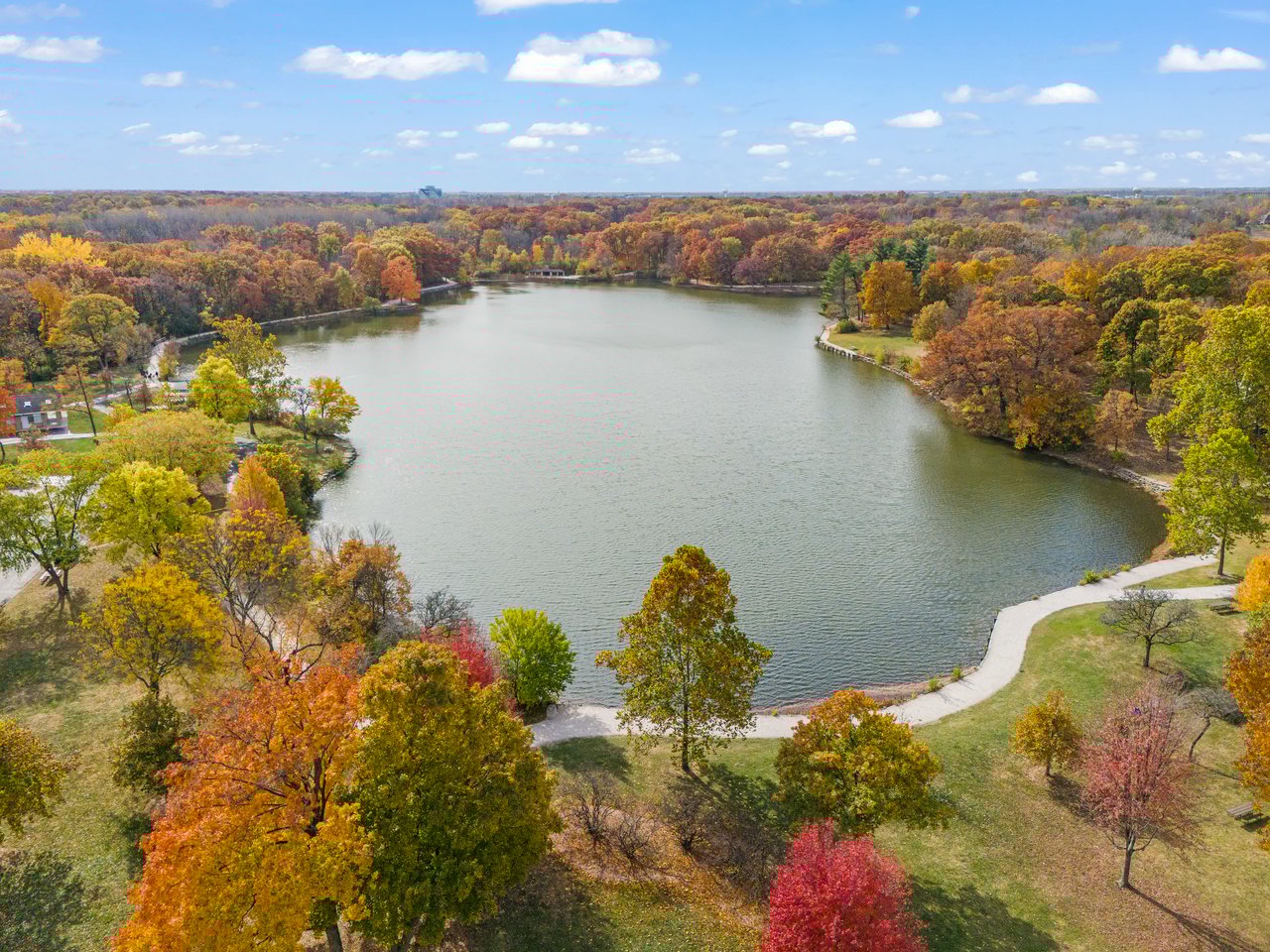
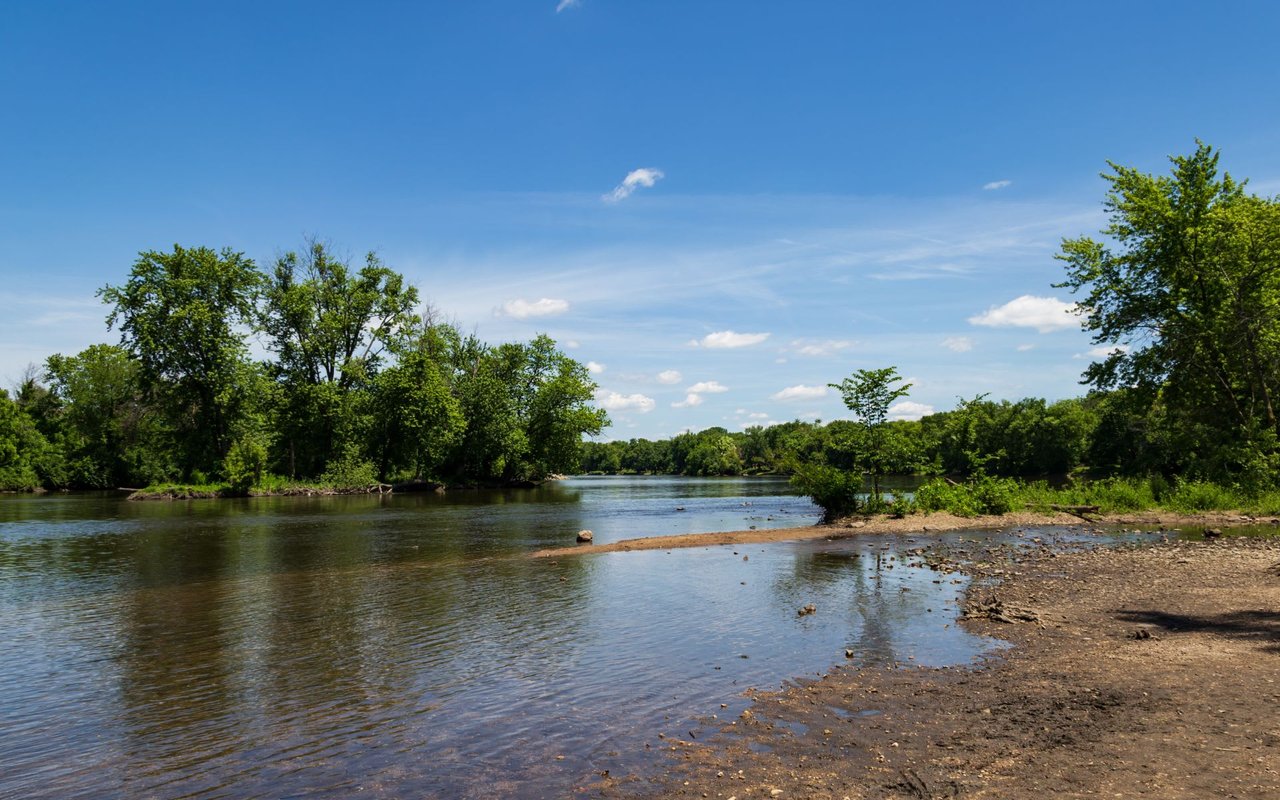
The Fox River serves as Oswego's scenic centerpiece, offering riverside views, fishing, kayaking, and peaceful walking trails. Hudson Crossing Park's statue garden and river overlooks provide perfect spots for reflection. The Fox River Trail connects residents to miles of recreational paths, while preserved wetlands and pocket parks throughout the village create green space for wildlife and residents alike. Four distinct seasons paint the landscape with spring blooms, summer vibrancy, spectacular autumn foliage, and peaceful winter snowscapes.
Within Oswego's diverse housing landscape, certain micro-locations stand out for their premium appeal. These neighborhoods and streets attract buyers seeking specific lifestyle advantages, from waterfront serenity to community amenities.
Waterfront & River-Adjacent Properties
Premium Subdivisions
Historic Downtown
Main Street and the historic downtown core appeal to buyers seeking character and walkability. Stately Victorian homes, charming bungalows, and preserved 19th-century architecture sit steps from local shops and restaurants. Properties here offer larger lots with mature trees and established gardens—a rare find in newer suburban developments. The downtown location provides immediate access to Hudson Crossing Park, the Fox River Trail, and the village's most popular events.
Newer Construction Communities
For buyers prioritizing modern amenities and customization options, communities like Piper Glen, Sonoma Trails, and Southbury offer new construction homes ranging from 1,500 to over 3,300 square feet. These subdivisions feature contemporary floor plans with open concepts, energy-efficient systems, and smart home capabilities. Seasons at Southbury attracts those seeking maintenance-free townhome living with community amenities including a pool and clubhouse.
Oswego welcomes a diverse range of residents, but certain lifestyles and priorities align particularly well with what this community offers. Consider whether your vision for home and family matches Oswego's distinctive character. Oswego is Ideal For:
Oswego rewards those who value quality of life over urban proximity. If you envision raising a family in safe, friendly neighborhoods; spending weekends biking trails and attending community festivals; building genuine relationships with neighbors; and enjoying the best of suburban living without sacrificing access to everything the Chicago metro area offers—Oswego may be the perfect place to call home. The village's continued growth reflects what thousands of families have already discovered: Oswego delivers on its promise of smart growth balanced by small-town feel.
Oswego has 12,097 households, with an average household size of 2.93. Data provided by the U.S. Census Bureau. Here’s what the people living in Oswego do for work — and how long it takes them to get there. Data provided by the U.S. Census Bureau. 35,463 people call Oswego home. The population density is 2,382 and the largest age group is Data provided by the U.S. Census Bureau.
Total Population
Population Density Population Density This is the number of people per square mile in a neighborhood.
Median Age
Men vs Women
Population by Age Group
0-9 Years
10-17 Years
18-24 Years
25-64 Years
65-74 Years
75+ Years
Education Level
Total Households
Average Household Size
Average individual Income
Households with Children
With Children:
Without Children:
Marital Status
Blue vs White Collar Workers
Blue Collar:
White Collar:
There's plenty to do around Oswego, including shopping, dining, nightlife, parks, and more. Data provided by Walk Score and Yelp.
Explore popular things to do in the area, including Jana's Candy, The Goddard School of Aurora, and Neighborhood barre - Oswego.
| Name | Category | Distance | Reviews |
Ratings by
Yelp
|
|---|---|---|---|---|
| Dining | 4.77 miles | 8 reviews | 5/5 stars | |
| Active | 4.95 miles | 7 reviews | 5/5 stars | |
| Active | 3.13 miles | 5 reviews | 5/5 stars | |
|
|
||||
|
|
||||
|
|
||||
|
|
||||
|
|
||||
|
|
Our unmatched dedication to helping our clients get what they want is precisely what sets us apart from the competition. Connect with us today to learn how we can help you maximize your home sale.