Choosing between a character-filled older home and a newer build in Glen Ellyn is not a small decision. You are often balancing style, maintenance, efficiency, and future plans all at once. The good news is that Glen Ellyn offers a housing mix that makes both options worth serious consideration, and understanding the trade-offs can help you buy with more confidence. Let’s dive in.
Why This Choice Matters in Glen Ellyn
Glen Ellyn has a strong historic identity, and that shapes how many buyers experience the market. The village describes its downtown as historic and small-town in feel, and both the north and south downtown districts are listed on the National Register.
The housing stock also spans several decades, which means your options can feel very different from one property to the next. According to CMAP’s 2020 to 2024 snapshot, Glen Ellyn’s median year built is 1971, with 16.0% of homes built before 1940 and only 4.4% built in 2010 or later.
That mix matters because the decision is rarely just about age. It is about how you want to live every day, what kind of upkeep you can handle, and what features matter most to you over time.
What Historic Charm Looks Like in Glen Ellyn
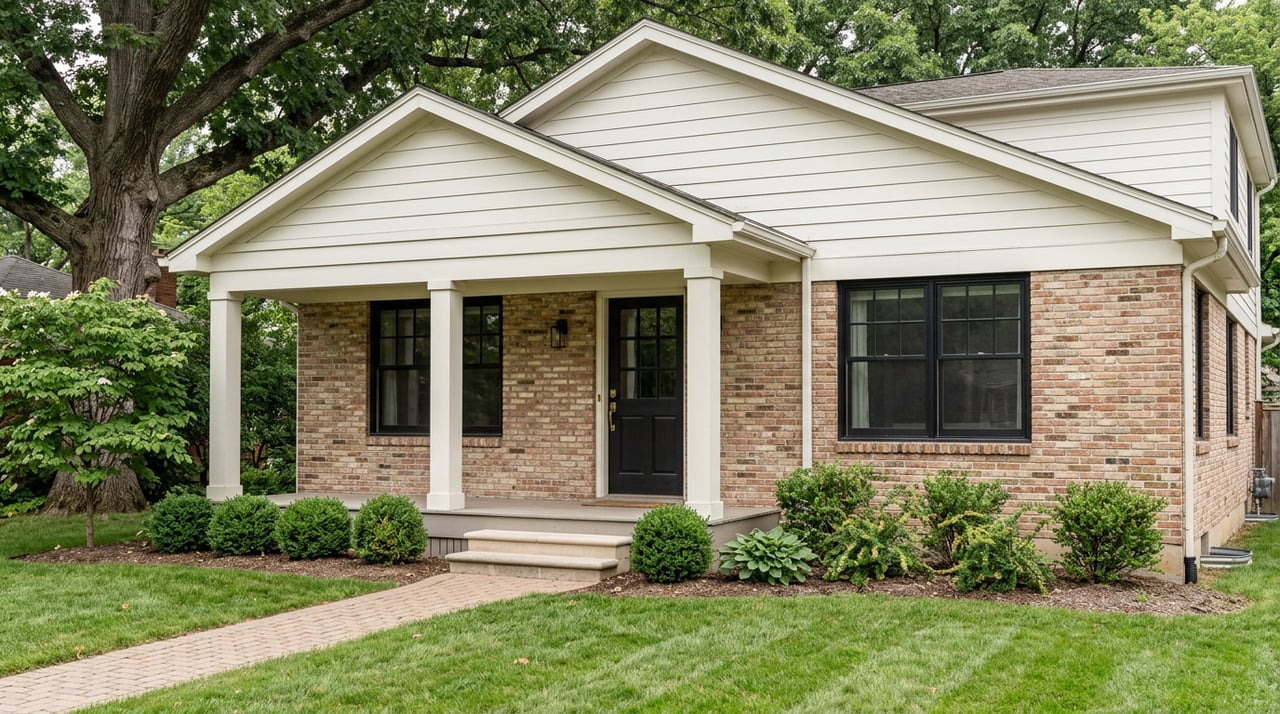
Older homes in Glen Ellyn often appeal to buyers who want details that are hard to recreate. The village ties its historic character to features like consistent setbacks, front porches, front-facing windows, rear garages, and mature trees.
You may also find architectural styles that buyers strongly associate with charm and individuality. Glen Ellyn’s preservation materials reference Tudor Revival, Colonial Revival, Craftsman, Prairie, and Ranch homes as part of the village’s historic character.
For many buyers, that appeal goes beyond the house itself. It includes the streetscape, the setting, and the feeling of living in a place with a well-defined local identity.
Common advantages of older homes
- Distinct architectural character
- Established streets and mature landscaping
- Traditional layouts and exterior details
- A strong connection to Glen Ellyn’s historic identity
What to Know About Historic Home Stewardship
Historic charm usually comes with more responsibility. If you are considering an older home, especially one that may be landmarked or located in a historic area, it is important to understand what changes may require review.
Glen Ellyn says its historic guidelines mainly focus on front facades and other visible features, while rear elevations are generally more flexible. For landmarked properties, exterior alterations may need Historic Preservation Commission approval before a building permit is issued, and the village estimates about one month for review.
Not every project triggers the same process. The village’s review guidance says routine maintenance and like-for-like replacement generally do not need review, but visible non-in-kind window or door replacements do.
Questions to ask before you buy an older home
- Is the home landmarked, or is it simply in a historic area?
- Which exterior changes would require village review?
- Has prior work been permitted and approved?
- How much of the original roof, HVAC, windows, insulation, or electrical system remains?
- What repairs or updates are likely in the first few years?
Energy Efficiency in Older Homes
Older homes can absolutely be improved for comfort and efficiency, but they may need more attention. The National Park Service says historic properties can become more sustainable and energy-efficient without losing their character.
Practical upgrades often include weatherization, air sealing, insulation, efficient HVAC, and efficient appliances. The U.S. Department of Energy also notes that wood window frames can insulate relatively well, but older buildings commonly have single glazing and may require ongoing maintenance.
That does not mean an older home is the wrong choice. It simply means you should budget for thoughtful improvements and understand where efficiency gains may come from over time.
What New Construction Offers
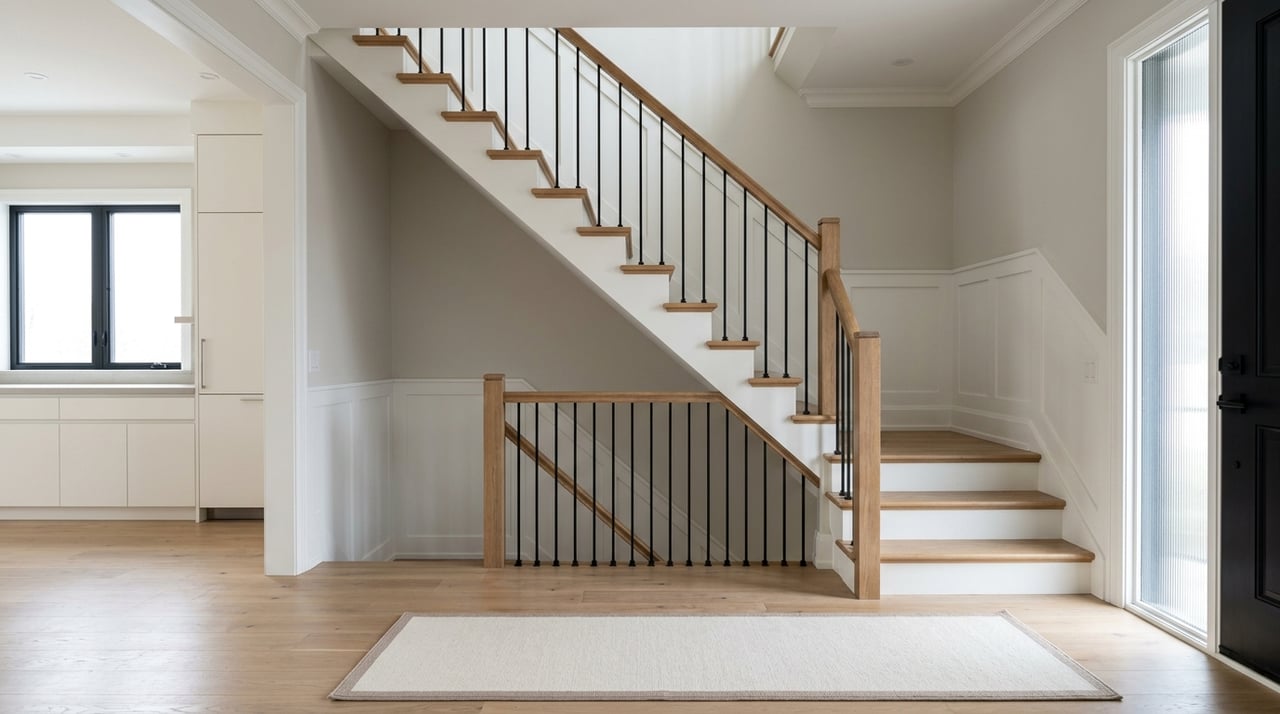
Newer construction usually appeals to buyers who want a more predictable starting point. In many cases, newer homes offer modern insulation, updated windows, newer HVAC systems, and floor plans designed around current living preferences.
ENERGY STAR says certified new homes and apartments exceed minimum energy code requirements by at least 10% and are independently verified for insulation, windows, air sealing, and HVAC systems. The Department of Energy also notes that virtually all new efficient buildings use double- or triple-glazed windows.
For you, that can mean fewer near-term surprises and less need for immediate retrofits. If you value convenience, efficiency, and a lower-maintenance beginning, newer construction may feel like the simpler fit.
Common advantages of newer homes
- More modern building systems
- Better baseline energy performance
- Fewer immediate repair needs
- Floor plans that may need fewer updates right away
The Reality of New Construction in Glen Ellyn
New construction exists in Glen Ellyn, but it is a small part of the housing stock. CMAP reports that only 4.4% of homes in the village were built in 2010 or later.
That limited supply can shape your search. You may have fewer options if your priority is a truly newer home, and you may need to weigh whether the benefits of newer systems outweigh the appeal of Glen Ellyn’s more established residential areas.
This is where your daily preferences matter most. A newer home may offer efficiency and ease, while an older home may offer the mature-tree setting, porch details, and neighborhood texture that many buyers connect with Glen Ellyn.
How to Decide Which Home Fits Your Life
The best choice is often the home whose trade-offs you can comfortably live with every day. A historic home may be right for you if character, setting, and architectural detail make you feel at home the moment you pull up.
A newer home may be the better fit if you want more predictability and fewer projects in the near term. If your schedule is already full, or you prefer a more turnkey experience, that peace of mind can matter just as much as style.
It also helps to think beyond the first year. Ask yourself whether you would rather invest time and money into preserving charm, or pay a premium for newer systems and a more updated starting point.
A simple way to compare your options
| Priority | Historic Home May Fit Better | New Construction May Fit Better |
|---|---|---|
| Architectural character | Yes | Sometimes less of a focus |
| Mature setting | Often | Varies |
| Near-term maintenance predictability | Less likely | More likely |
| Energy-efficient starting point | Usually needs updates | Usually stronger |
| Flexibility for immediate exterior changes | May require review | Often simpler, depending on project |
Think About Resale From the Start
Even if you plan to stay for years, resale strategy still matters. In Glen Ellyn, older homes tend to stand out when their preserved character, location, and setting are presented clearly.
Newer homes usually attract attention by highlighting condition, efficiency, and update readiness. Both can be strong resale stories, but the strongest approach is to lean into what the home truly offers instead of trying to position it as something it is not.
That is especially important in a market where owner-occupied housing is high and home values are significant. QuickFacts reports a 78.3% owner-occupied rate and a median owner-occupied home value of $544,000, so buyers are often making a long-term decision with both lifestyle and equity in mind.
A Smart Due Diligence Checklist
Before you make an offer, it helps to dig into the details that could affect your budget and future plans. This is especially true when comparing a charming older home with a newer property.
Use this checklist as a starting point:
- Confirm whether the property is landmarked or located in a historic district
- Ask for permit history on major updates and additions
- Review the age and condition of the roof, HVAC, windows, insulation, and electrical systems
- Ask whether any future exterior changes could trigger village review
- Factor in permit fees, which Glen Ellyn says are based on project type and construction costs
- Estimate your first few years of maintenance and improvement costs before committing
The Bottom Line for Glen Ellyn Buyers
In Glen Ellyn, this is not a question of better or worse. It is a question of what kind of home fits your priorities, your budget, and your comfort with upkeep.
If you love preserved details, established streets, and a home with a sense of history, an older property may be the right move. If you want efficiency, fewer near-term upgrades, and a more predictable ownership experience, newer construction may be the better path.
The key is to go in with clear eyes. When you understand the trade-offs before you buy, you are far more likely to feel good about your choice long after closing.
If you are weighing historic charm against newer construction in Glen Ellyn, the Lori Johanneson Team can help you compare options, understand the local market, and make a move with confidence.
FAQs
Is a historic home in Glen Ellyn always landmarked?
- No. A home may have historic character without being landmarked, so you should confirm whether the property is officially landmarked or simply located in a historic area.
Which exterior projects on a Glen Ellyn historic home may require review?
- For landmarked properties, exterior alterations may need Historic Preservation Commission approval before a building permit is issued, while routine maintenance and like-for-like replacement generally do not.
Are newer homes in Glen Ellyn more energy efficient?
- Often, yes. Newer homes typically start with more modern insulation, windows, air sealing, and HVAC systems, and certified new homes can exceed minimum energy code requirements.
How common is new construction in Glen Ellyn?
- It is relatively limited. CMAP reports that only 4.4% of Glen Ellyn housing units were built in 2010 or later.
How should buyers compare an older Glen Ellyn home with a newer one?
- Focus on your daily priorities, expected maintenance, future improvement plans, and long-term resale positioning before deciding which trade-offs feel right for you.